
The Silicon Revolution 2026: How Agentic AI and NIST’s New Innovation Centers are Redefining the US Economy
The Silicon Revolution 2026: The United States is witnessing a historic shift in its technological landscape as we head into the final days of 2025. This week, the National Institute of Standards and Technology (NIST) officially launched two massive AI innovation centers, signaling a “Manufacturing Renaissance” aimed at securing America’s (US AI market dominance) global leadership. While the stock market sees the S&P 500 hitting record highs driven by Nvidia and Alphabet, a deeper transformation is occurring under the surface. Technology is moving away from simple chatbots and into “Agentic AI”—autonomous systems that don’t just answer questions but execute complex business operations. As the Google December 2025 Core Update continues to roll out, the emphasis on high-quality, human-centric expertise has never been more critical for digital success in the American market.
NIST Launches Multi-Million Dollar AI Centers for Manufacturing
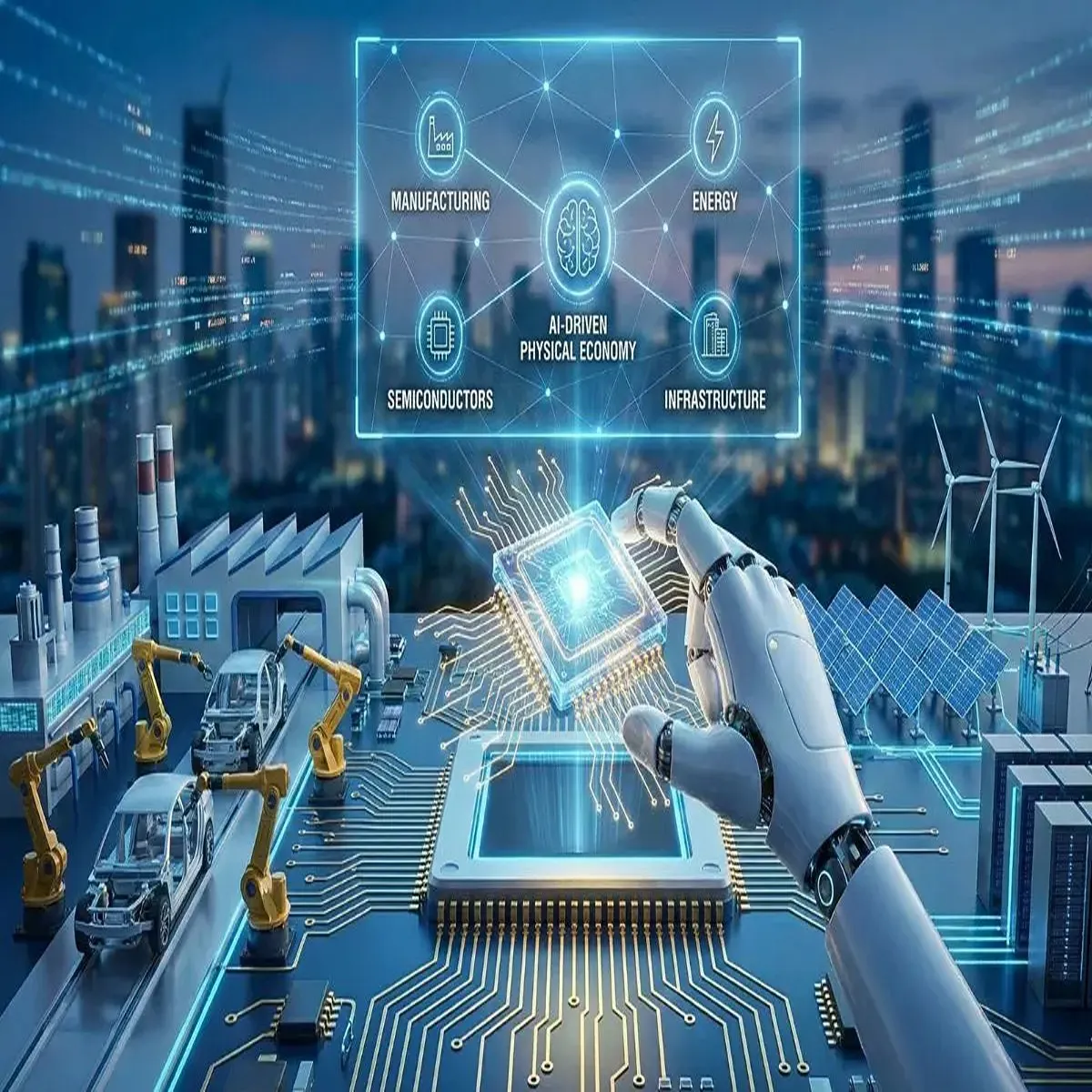
In a bold move to strengthen domestic production, the Department of Commerce has funneled significant investment into the newly established AI Economic Security Centers. These hubs are designed to integrate (Advanced robotics integration) cutting-edge machine learning directly into American factory floors. By automating response systems and predicting hardware failures before they happen, these centers aim to reduce reliance on insecure foreign supply chains. Experts believe this initiative will catalyze the discovery of new devices, ensuring that “Made in America” remains synonymous with high-tech precision in 2026 and beyond.
The Rise of Agentic AI: Beyond the Chatbot Era
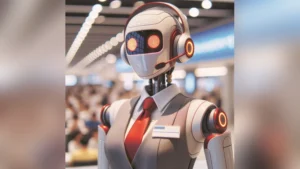
2025 has been the year AI grew a body. We are no longer just looking at screens; we are seeing “Agentic AI” take control of physical and digital workflows. According to recent Gartner reports, (Autonomous AI agents) are becoming the backbone of US enterprise strategy. Unlike generative models that require constant human prompting, these agents can manage entire supply chains or coordinate robot fleets in warehouses independently. This shift from “assistants” to “autonomous workers” is expected to add trillions to the US GDP over the next decade, provided companies focus on redesigning their core processes rather than just automating old ones.

Silicon Valley Stocks Hit New Records Amid AI Hardware Boom
Wall Street is ending the year on an exceptionally high note. The Nasdaq and S&P 500 have reached fresh peaks this week as investors double down on AI hardware giants. Nvidia, Broadcom, and Micron Technology are seeing massive gains as the (Custom AI chipsets) market is projected to witness a 31% CAGR through 2035. American tech giants are pivoting heavily toward energy-efficient hardware to sustain the massive power demands of next-gen data centers. This “Santa Claus Rally” on Wall Street reflects a deep-seated confidence that the AI-driven economic cycle is only in its early innings.
Google December 2025 Core Update: A New Rulebook for Content
For digital marketers and brand owners across the USA, the release of the Google December 2025 Core Update has introduced a wave of volatility. This update, the third major one this year, is refining how the search engine assesses (E-E-A-T signals) relevance and content depth. Google is increasingly rewarding “Experience” and “Authoritativeness,” moving away from the “AI slop” that has cluttered the web recently. For businesses looking to rank on the first page, the focus has shifted entirely toward providing verifiable, human-led insights that AI cannot easily replicate.
Cybersecurity for Critical Infrastructure: A National Priority
As technology becomes more integrated into the physical world, the threat surface for cyberattacks has expanded. The US government is now prioritizing (Real-time threat detection) systems powered by AI to protect power grids, water systems, and financial networks. The new NIST-MITRE collaboration is specifically focused on “Disinformation Security” and post-quantum cryptography. With the looming threat of quantum computers capable of breaking current encryption, the push for quantum-resistant security protocols has become a non-negotiable part of the US national security agenda for 2026.
The Future of Consumer Tech: Foldables and Ambient Intelligence
In the consumer space, the holiday season has highlighted a shift toward “Ambient Invisible Intelligence.” US households are increasingly adopting smart devices that blend into the environment, using (Hyper-personalized AI) to anticipate user needs without explicit commands. From trifold smartphones to AI-powered wearable glasses, the boundary between the digital and physical worlds is blurring. Major retailers are reporting a surge in demand for these “intelligent” products, suggesting that the American consumer is ready to embrace a future where technology is a seamless, invisible part of daily life.