
The Next Wave of Technology Transforming the U.S. Market in 2025: Innovation, Opportunity, and Economic Impact
The Next Wave of Technology Transforming the U.S. Market in 2025: The United States technology market is entering a decisive phase in 2025, where innovation is no longer limited to big announcements or experimental labs. Instead, technology is becoming deeply embedded in everyday consumer behavior, enterprise strategy, and national economic growth. From smarter consumer devices to enterprise-level automation, the tech ecosystem in the U.S. is evolving at a speed that is reshaping how businesses compete and how people live, work, and connect.

What makes this moment especially significant is the convergence of multiple technologies—cloud infrastructure, advanced data processing, next-generation connectivity, and automation—into real-world applications. This shift is not theoretical; it is already influencing stock markets, job creation, startup investments, and digital policy discussions across the country.
A Strong Rebound in the U.S. Technology Market
After a cautious period of spending during recent economic uncertainty, the U.S. technology sector is showing renewed confidence. Enterprises are once again increasing budgets for digital transformation, cybersecurity, and cloud migration. Consumers, on the other hand, are upgrading devices, subscribing to digital services, and embracing smarter home and workplace solutions.

Major U.S.-based technology companies like Apple, Google, and Microsoft are focusing heavily on ecosystem-driven products. Rather than selling isolated devices or software, these companies are building connected experiences that keep users engaged across hardware, services, and platforms. This strategy is proving effective in the U.S. market, where brand trust and long-term value matter more than short-term pricing.
Consumer Technology Trends Driving High Adoption
Smarter Devices and Connected Living
In 2025, American consumers are not just buying gadgets—they are investing in convenience. Smart home products, wearable health devices, and connected vehicles are seeing strong demand. The appeal lies in seamless integration: devices that communicate with each other, learn user preferences, and reduce friction in daily life.
U.S. households are increasingly prioritizing energy-efficient smart systems, security solutions, and health-monitoring wearables. These trends are supported by faster internet speeds and widespread availability of high-performance mobile networks, making connected living more accessible than ever.
Enterprise Technology and the Future of Work
Automation and Cloud-First Strategies
For businesses across the United States, technology adoption has shifted from optional to essential. Companies are using advanced automation to streamline operations, reduce costs, and improve decision-making. Cloud-based platforms are enabling organizations to scale faster, support remote teams, and protect sensitive data with improved security frameworks.
Small and mid-sized businesses, in particular, are benefiting from subscription-based enterprise tools that were once affordable only to large corporations. This democratization of technology is creating a more competitive U.S. market, where innovation is driven by agility rather than size.
The Role of Artificial Intelligence in Business Growth
While automation and intelligent systems are accelerating productivity, U.S. companies are taking a cautious and responsible approach to implementation. Businesses are focusing on transparency, compliance, and ethical usage to maintain consumer trust. Rather than replacing human roles entirely, technology is being positioned as a productivity enhancer—helping employees focus on higher-value tasks.
In sectors such as finance, healthcare, and retail, intelligent systems are improving forecasting accuracy, customer experience, and operational efficiency. This balanced adoption is one reason why the U.S. remains a global leader in technology-driven economic growth.
Cybersecurity Becomes a Top Priority
Protecting Data in a Digital-First Economy
As technology adoption grows, so do concerns around digital security. Cybersecurity spending in the U.S. is increasing rapidly as businesses and consumers demand stronger protection for personal and financial data. Advanced security tools, zero-trust architectures, and real-time monitoring systems are becoming standard across industries.
This focus on security is also influencing consumer behavior. American users are more likely to trust brands that clearly communicate how data is stored, protected, and used. Transparency is no longer a bonus—it is a requirement for long-term success in the U.S. tech market.
Investment, Startups, and Economic Impact
Innovation Fueling the U.S. Economy
Venture capital activity in the United States is stabilizing, with investors favoring sustainable, revenue-focused technology startups. Areas such as digital infrastructure, clean technology, and enterprise software are attracting significant funding. This investment climate is creating jobs, supporting regional tech hubs, and strengthening America’s position in the global technology race.
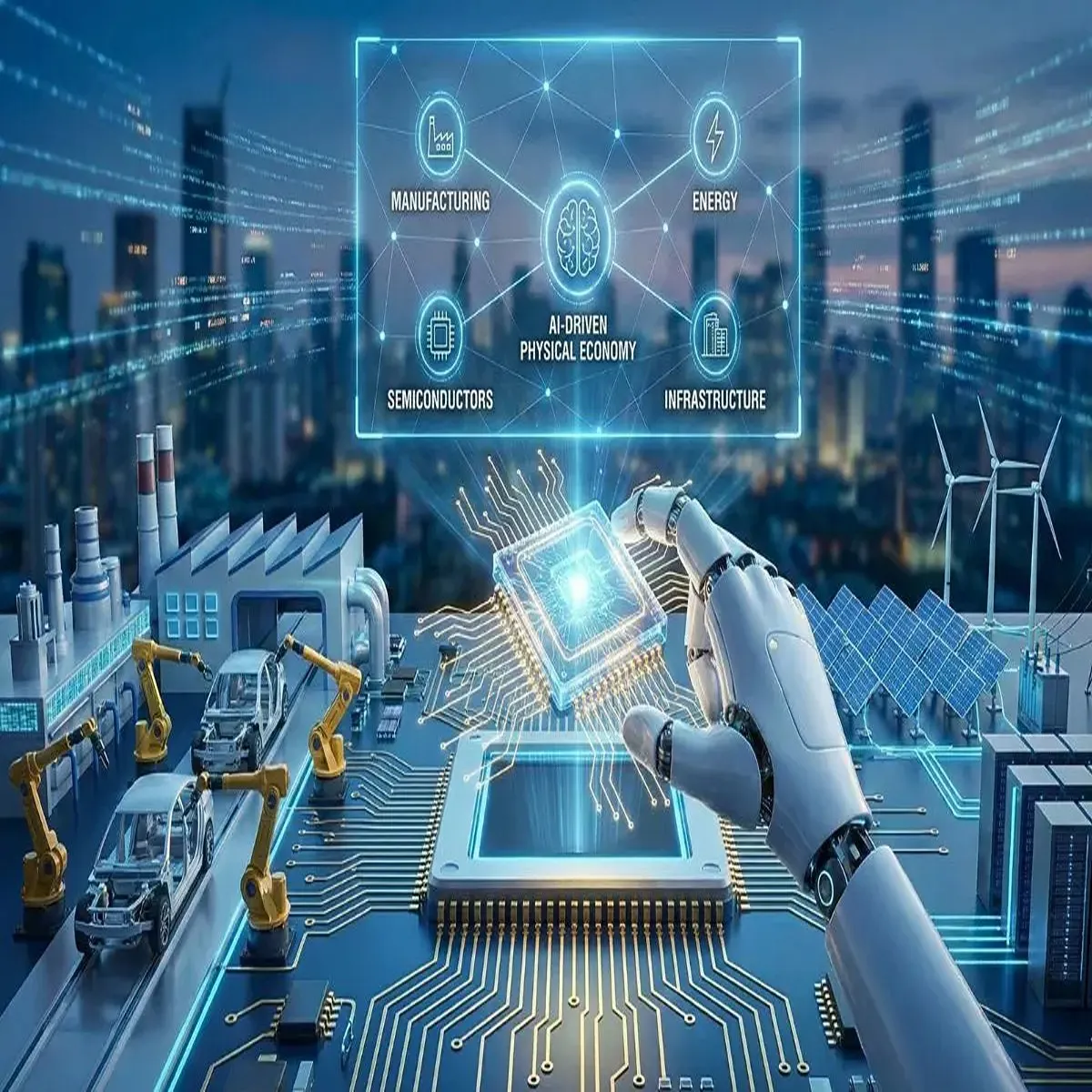
Government initiatives aimed at strengthening domestic manufacturing and digital infrastructure are further accelerating growth. Together, public and private investments are ensuring that technology remains a key pillar of the U.S. economy.
What This Means for the Future
Looking ahead, the U.S. technology market is expected to remain resilient and innovation-driven. The focus will continue to shift toward user-centric solutions, responsible technology use, and long-term value creation. Companies that prioritize trust, usability, and security will stand out in an increasingly competitive digital landscape.
For consumers, this means smarter, more reliable technology that genuinely improves quality of life. For businesses, it means new opportunities to grow, adapt, and lead in a rapidly evolving market.
Conclusion
Technology in the United States is no longer just about speed or novelty—it is about impact. As 2025 unfolds, the integration of advanced digital solutions into everyday life and business operations is defining a new era of growth and innovation. The U.S. market, with its strong consumer base and entrepreneurial spirit, is well-positioned to shape the future of global technology.