
Global Tech Market Enters a New Era in 2026- AI Regulation, Chip Wars, and Consumer Innovation Reshape the Industry
Global Tech Market Enters a New Era in 2026- The global technology market is undergoing a major transformation in 2026, driven by rapid innovation, tightening regulations, and intense competition among leading economies. From artificial intelligence governance to semiconductor supply chains and next-generation consumer devices, the tech landscape is evolving faster than ever. Industry leaders and policymakers are now navigating a delicate balance between innovation, security, and sustainability, making this one of the most defining years for the digital economy worldwide.
AI Regulation Takes Center Stage Across Major Economies
Governments around the world are accelerating efforts to regulate artificial intelligence, marking a significant shift from the previously open innovation environment. The European Union has already implemented stricter AI compliance frameworks, while the United States and several Asian economies are introducing policies focused on transparency, accountability, and ethical deployment.
These regulations are aimed at addressing concerns around data privacy, misinformation, and automated decision-making. However, they also present challenges for startups and tech giants alike, as compliance costs increase and innovation cycles slow down. Despite this, analysts believe that clear regulations could ultimately build user trust and create a more stable long-term market.
Semiconductor Industry Faces Renewed Global Competition
The semiconductor sector continues to be at the heart of global technological competition. Countries are investing billions to reduce dependence on foreign chip manufacturing, leading to what experts are calling a “new chip race.”
The demand for advanced chips—especially those used in AI systems, electric vehicles, and high-performance computing—has surged dramatically. Major manufacturers are expanding production facilities in North America, Europe, and Asia to secure supply chains and meet growing demand.
This geopolitical competition is not only shaping trade policies but also influencing global pricing, innovation speed, and market accessibility.
Consumer Technology Sees a Wave of Smart Integration
Consumer technology in 2026 is becoming more interconnected and intelligent. Smartphones, wearable devices, and home automation systems are increasingly powered by advanced AI capabilities, offering personalized user experiences like never before.
From real-time health monitoring to voice-controlled ecosystems, consumers are embracing devices that seamlessly integrate into their daily lives. Tech companies are focusing heavily on user-centric design, privacy features, and energy efficiency to stay competitive in this crowded market.
Additionally, foldable devices, augmented reality (AR), and mixed reality (MR) technologies are gaining traction, signaling a shift toward immersive digital experiences.
Cloud Computing and Edge Technology Drive Business Growth
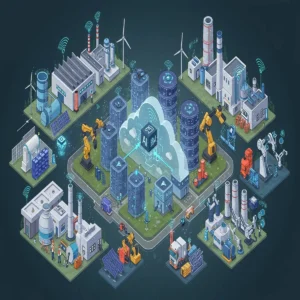
Enterprises are rapidly adopting cloud computing and edge technologies to enhance performance and scalability. The hybrid cloud model is becoming the standard, allowing businesses to balance flexibility with data security.
Edge computing, in particular, is playing a critical role in industries like healthcare, manufacturing, and autonomous transportation by enabling faster data processing closer to the source. This reduces latency and improves real-time decision-making capabilities.
As digital transformation accelerates, companies that invest in scalable infrastructure and intelligent data management systems are expected to lead the next wave of growth.
Cybersecurity Becomes a Top Priority for Organizations
With the increasing digitization of services, cybersecurity threats have become more sophisticated and frequent. Organizations are now prioritizing advanced security measures, including zero-trust architecture, AI-driven threat detection, and real-time monitoring systems.
Recent global incidents have highlighted the vulnerabilities in both public and private sector systems, prompting businesses to allocate larger budgets for cybersecurity. This has also led to a surge in demand for skilled professionals in the field.
Cyber resilience is no longer optional—it is a critical component of long-term business strategy in the modern tech ecosystem.
Sustainability and Green Tech Gain Momentum
Sustainability is emerging as a key focus area in the global tech market. Companies are investing in energy-efficient data centers, renewable energy sources, and eco-friendly manufacturing processes to reduce their carbon footprint.
Green technology innovations, such as low-power chips and sustainable materials, are becoming essential for meeting environmental regulations and consumer expectations. Investors are also showing a strong preference for companies that prioritize environmental, social, and governance (ESG) goals.
This shift toward sustainability is not only beneficial for the planet but also opens up new opportunities for innovation and growth.
Startups and Emerging Markets Play a Crucial Role
While established tech giants continue to dominate headlines, startups and emerging markets are becoming increasingly influential. Regions like Southeast Asia, Africa, and Latin America are witnessing a surge in tech entrepreneurship, fueled by digital adoption and investment inflows.
These markets offer immense growth potential, particularly in fintech, edtech, and healthtech sectors. Startups are leveraging local insights to build scalable solutions that address region-specific challenges, contributing to a more diversified global tech ecosystem.
Future Outlook: Innovation Meets Responsibility
Looking ahead, the global technology market is expected to maintain strong growth, but with a greater emphasis on responsible innovation. Companies will need to navigate complex regulatory environments, invest in sustainable practices, and prioritize user trust to remain competitive.
The convergence of AI, cloud computing, and advanced hardware will continue to redefine industries, creating new opportunities and challenges alike. As technology becomes increasingly embedded in everyday life, its impact on society, economy, and governance will only deepen.