
The Great Silicon Pivot: How 2026 is Redefining the American Tech Landscape
The Great Silicon Pivot: The dawn of 2026 has brought more than just a new calendar year; it has signaled a fundamental shift in how the United States interacts with technology. From the bustling corridors of Silicon Valley to the high-stakes policy rooms in Washington D.C., the narrative has moved away from “what AI can do” to “how we can sustain it.” As we navigate this new era, the focus has intensified on domestic manufacturing, the rise of “agentic” personal hardware, and a massive overhaul of the digital infrastructure that powers our daily lives. For the American consumer, the technology in their pocket is becoming less of a tool and more of an autonomous partner.

The 25% Tariff Blitz and the Push for “Made in USA” Chips
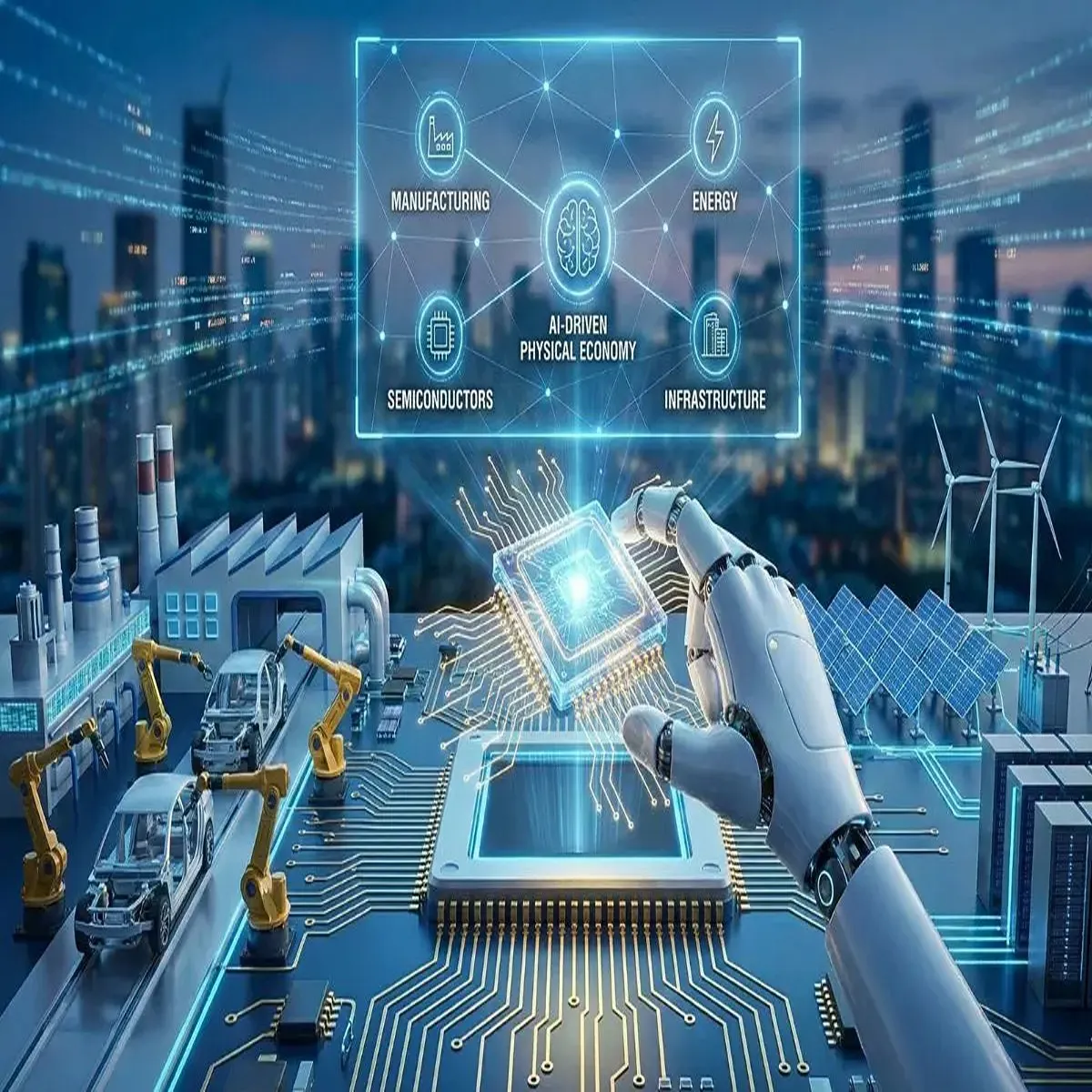
One of the most significant developments this month is the U.S. government’s bold move to impose a 25% tariff on advanced AI semiconductors. Aimed primarily at high-performance chips like NVIDIA’s H200 and AMD’s MI325X, this policy is a clear signal that the era of relying solely on overseas fabrication is ending.
While the tariffs have caused ripples in the global supply chain—particularly affecting South Korean memory giants—the goal is domestic resilience. The administration is incentivizing chipmakers to move their manufacturing plants to American soil. For the average tech enthusiast, this might mean a temporary spike in high-end PC prices, but it also marks the beginning of a more stable, domestic tech ecosystem that isn’t vulnerable to international shipping bottlenecks.

From Chatbots to AI Agents: The Rise of “Agentic” Hardware
We are officially moving past the “ChatGPT” phase of artificial intelligence. At the recent CES 2026 in Las Vegas, the theme was “Agentic AI.” Unlike the chatbots of 2024, these new systems don’t just answer questions; they perform tasks.
Companies like Qualcomm and Apple are leading the charge with new silicon—such as the Snapdragon X2 Plus—designed specifically to handle multi-step actions on-device. Imagine a laptop that doesn’t just help you write an email but automatically manages your calendar, books your flights, and negotiates your internet bill without you ever opening a browser tab. This shift toward “Zero-Click” experiences is transforming smartphones and PCs into truly autonomous assistants.
The Automotive Revolution: AI-Powered “Cabin Intelligence”
The American car market is undergoing its biggest transformation since the introduction of the electric vehicle. In 2026, the focus has shifted from what’s under the hood to what’s inside the cabin. New partnerships between LG, Qualcomm, and major U.S. automakers have introduced “Proactive In-Cabin Assistants.”
These vehicles now use biometric sensors to detect driver fatigue or even alcohol levels in real-time. Furthermore, the integration of Large Language Models (LLMs) into the car’s dashboard allows for a “conversational cockpit.” Drivers can now have complex dialogues with their vehicles, asking for real-time maintenance advice or having the car summarize news reports during the morning commute, all while maintaining strict privacy by processing the data locally.
Sustainability and the Data Center Power Struggle
As AI becomes ubiquitous, its thirst for power has reached a breaking point. Across the United States, data centers are straining local power grids, leading to a new tech-policy debate: Sustainable Compute.
2026 is the year we see the first “Modular Nuclear Data Centers” begin their pilot phases. Tech giants are no longer just software companies; they are becoming energy innovators. The push for “Green AI” is now a top priority for Google and Microsoft, who are under pressure from both the public and regulators to reduce the carbon footprint of every search query and AI-generated image. This shift is driving a massive investment in American renewable energy infrastructure, creating a secondary boom in the green tech sector.
The “Zero-Visit” Future of Digital Discovery
For businesses and content creators, the rules of the internet have changed. With the deep integration of Google’s AI Overviews and “Agentic Commerce,” the way Americans shop and find information is now almost entirely synthesized.
Google’s new “Universal Commerce Protocol” allows users to chat with a brand’s AI agent and complete a purchase directly within the search results. For the user, it’s a seamless experience. For the digital economy, it means that “brand authority” and “trust” are now more valuable than traditional SEO keywords. To survive in 2026, brands must focus on being the most cited and trusted source for these AI agents.
The Verdict: A Year of Real-World Impact
If 2024 was about the hype and 2025 was about the transition, 2026 is about impact. Technology is no longer a separate industry; it is the invisible fabric of the American economy. As we look forward to the rest of the year, the success of the U.S. tech market will depend on how well we can balance the rapid pace of innovation with the very real needs of energy sustainability and economic security.