
Canada’s Cryptocurrency Market in 2026- Regulation Tightens, Institutional Money Surges, and Retail Investors Return with Caution
Canada’s Cryptocurrency Market in 2026- Canada’s cryptocurrency market is entering a decisive phase in 2026, marked by stronger regulation, renewed institutional confidence, and cautious optimism among retail investors. After years of volatility, exchange failures, and regulatory uncertainty, Canada is positioning itself as one of the most structured and transparent crypto environments globally. From Toronto’s fintech corridors to Vancouver’s blockchain startups, digital assets are no longer viewed as fringe investments but as an evolving component of the country’s financial ecosystem.

A More Regulated—and Safer—Crypto Environment
Canada has long maintained a relatively proactive stance toward cryptocurrency oversight. Regulatory bodies such as the Canadian Securities Administrators (CSA) and the Investment Industry Regulatory Organization of Canada (IIROC) have continued refining compliance standards for crypto trading platforms operating within the country.

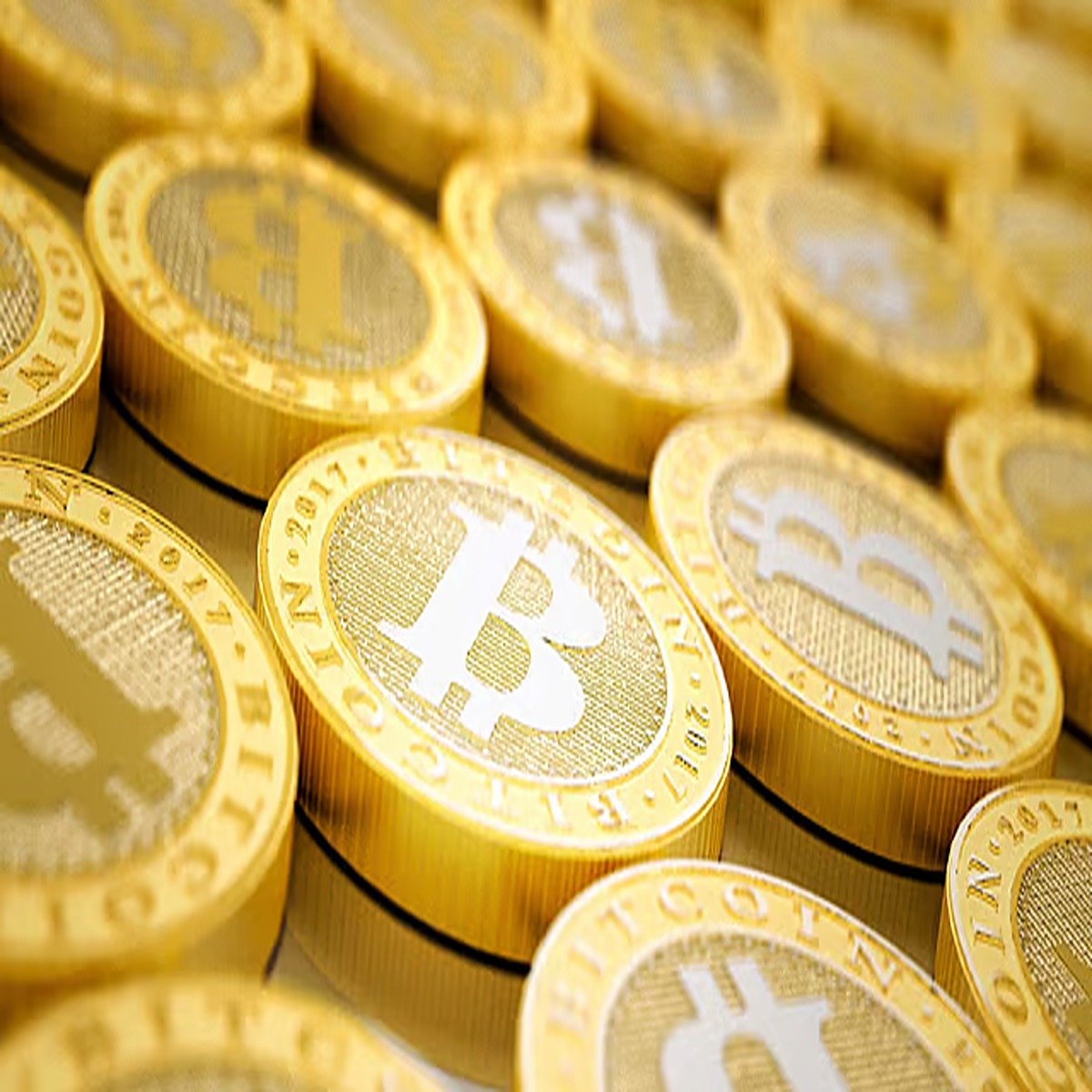
In 2026, several new compliance measures are now fully enforced, including stricter custody requirements, proof-of-reserves reporting, and enhanced Know-Your-Client (KYC) verification. These reforms aim to protect investors while ensuring that crypto exchanges operating in Canada meet the same transparency standards as traditional financial institutions.
Unlike loosely regulated jurisdictions, Canada’s structured framework has attracted international platforms seeking credibility. Analysts believe that regulatory clarity is now one of Canada’s strongest competitive advantages in the global digital asset race.
Bitcoin and Ethereum Remain Dominant in Canadian Portfolios
Despite the growth of altcoins and decentralized finance projects, Canadian investors continue to favor established cryptocurrencies like Bitcoin and Ethereum. Market data from major domestic platforms shows that BTC and ETH together account for over 60% of total trading volume in Canada.
Institutional participation has also increased significantly. Pension funds and asset management firms are allocating small but strategic portions of their portfolios to crypto-linked ETFs. Canada, notably, was one of the first countries to approve a spot Bitcoin ETF, setting a precedent later followed by other global markets.
Retail investors, however, remain more cautious than during the 2021 bull cycle. Many are now focusing on long-term accumulation strategies rather than speculative day trading.
Toronto Emerges as a North American Blockchain Hub
Toronto has rapidly strengthened its position as a North American blockchain innovation center. With access to skilled developers, strong academic institutions, and government-backed tech incentives, the city is attracting both startups and established fintech firms.
Several blockchain conferences held in Toronto over the past year have drawn international investors, signaling Canada’s growing influence in decentralized finance (DeFi), Web3 development, and tokenized assets. Venture capital funding for blockchain startups in Ontario has rebounded after a slowdown in 2023–2024, reflecting renewed confidence in long-term sector growth.
Stablecoins and CBDC Discussions Gain Momentum
The Canadian crypto conversation is no longer limited to Bitcoin speculation. Stablecoins are increasingly used for cross-border transactions and remittances. Policymakers are also evaluating the future of a central bank digital currency (CBDC).
The Bank of Canada has continued exploratory research into the possibility of a digital Canadian dollar. While officials maintain that no final decision has been made, discussions have intensified amid global CBDC experiments in Europe and Asia.
Experts believe a digital loonie could coexist with private cryptocurrencies, offering faster domestic payments while maintaining monetary control. However, privacy concerns remain a central topic in public consultations.
Mining Sector Adapts to Energy and ESG Pressures
Canada remains a major destination for cryptocurrency mining due to its cold climate and renewable energy sources. Provinces like Quebec and British Columbia offer hydroelectric power that helps reduce operational costs.
Yet environmental scrutiny has increased. Mining companies are now under greater pressure to disclose energy consumption data and carbon footprints. Several firms have responded by integrating solar and wind energy solutions, positioning Canada as a relatively sustainable crypto mining hub compared to coal-dependent regions elsewhere.
Industry leaders argue that responsible mining could strengthen Canada’s reputation in global ESG-driven investment circles.
Retail Investors Shift Toward Education and Risk Management
One of the most noticeable trends in 2026 is the shift in retail behavior. Canadian investors are increasingly prioritizing education, portfolio diversification, and regulated platforms.
Crypto learning seminars, online certification programs, and financial literacy campaigns have seen a spike in enrollment. Financial advisors are also beginning to incorporate crypto exposure into broader wealth management strategies, albeit conservatively.
This transition from speculation to strategic allocation suggests that Canada’s crypto market is maturing rather than merely cycling through hype phases.
Outlook: Steady Growth Over Speculative Surges
Market analysts predict steady growth rather than explosive rallies in the near term. Regulatory clarity, institutional inflows, and cautious retail participation create a foundation for sustainable expansion.
While global macroeconomic conditions — including U.S. Federal Reserve policies and geopolitical developments — will continue influencing prices, Canada’s domestic crypto infrastructure appears stronger than ever.
For investors, the message is clear: cryptocurrency in Canada is no longer an experimental asset class. It is becoming a structured, regulated, and increasingly mainstream financial instrument.