
Global Markets in 2026- A New Era of Resilient Growth, Digital Transformation, and Strategic Realignment
Global Markets in 2026- The global business landscape in 2026 is undergoing a profound transformation as markets adapt to economic uncertainty, technological disruption, and shifting geopolitical dynamics. From the resurgence of emerging economies to the rapid expansion of artificial intelligence-driven industries, businesses worldwide are navigating a complex yet opportunity-rich environment. Investors, corporations, and policymakers are increasingly focusing on resilience, sustainability, and innovation as key drivers of long-term growth in an interconnected global economy.
Global Economic Outlook Shows Signs of Stabilization
After years of volatility triggered by inflation shocks, supply chain disruptions, and geopolitical tensions, global markets are showing early signs of stabilization in 2026. Major economies such as the United States, China, and the European Union are experiencing moderate but steady growth, supported by improved monetary policies and controlled inflation rates.


Central banks across the world have adopted a more balanced approach, easing aggressive interest rate hikes while maintaining caution. This has restored investor confidence, leading to increased capital flows into equities and emerging markets. Analysts suggest that while risks remain, the global economy is entering a phase of cautious optimism.
Rise of Emerging Markets as Growth Engines
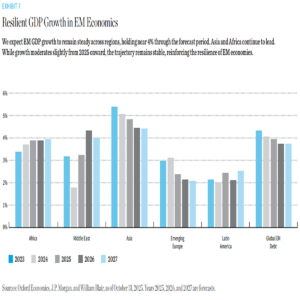
Emerging markets are becoming the focal point of global investment strategies. Countries in Asia, Africa, and Latin America are witnessing rapid industrialization, digital adoption, and infrastructure development. Nations like India, Indonesia, and Brazil are attracting significant foreign direct investment (FDI) due to their large consumer bases and improving business environments.
India, in particular, has positioned itself as a global hub for manufacturing and technology services. Government initiatives aimed at boosting domestic production and digital infrastructure have strengthened its appeal among multinational corporations looking to diversify supply chains away from traditional centers.
Technology and AI Reshape Business Models
Artificial intelligence, automation, and data-driven technologies are redefining industries at an unprecedented pace. Businesses are leveraging AI to enhance productivity, optimize operations, and deliver personalized customer experiences. From finance to healthcare and retail, digital transformation is no longer optional—it is essential for survival.
Tech giants and startups alike are investing heavily in AI research and development. Generative AI, machine learning, and cloud computing are becoming the backbone of modern enterprises. This technological shift is also creating new job opportunities while simultaneously reshaping the global workforce.
Supply Chain Diversification Becomes a Priority
The disruptions of the past decade have forced companies to rethink their supply chain strategies. Businesses are now prioritizing diversification and resilience over cost efficiency alone. The “China Plus One” strategy has gained momentum, with companies expanding operations into Southeast Asia, India, and Eastern Europe.
Nearshoring and regional manufacturing hubs are also becoming popular, enabling firms to reduce dependency on single markets and mitigate risks associated with geopolitical tensions. This shift is expected to redefine global trade patterns in the coming years.
Sustainability and ESG Drive Corporate Decisions
Environmental, Social, and Governance (ESG) factors are now at the core of business strategies worldwide. Investors are increasingly favoring companies that demonstrate strong sustainability practices and ethical governance. Governments are also implementing stricter regulations to ensure corporate accountability.
Businesses are responding by adopting green technologies, reducing carbon footprints, and integrating sustainability into their operations. Renewable energy, electric mobility, and circular economy models are gaining traction, creating new opportunities for innovation and investment.
Consumer Behavior Evolves in a Digital-First World
Consumer preferences are rapidly evolving, driven by digitalization and changing lifestyles. E-commerce, digital payments, and online services have become dominant, especially in urban markets. Consumers now demand convenience, transparency, and personalized experiences from brands.
Social media and digital platforms are playing a crucial role in shaping purchasing decisions. Businesses are increasingly focusing on direct-to-consumer (D2C) models, leveraging data analytics to understand and anticipate customer needs more effectively.
Investment Trends Highlight New Opportunities
Global investment trends in 2026 indicate a shift toward high-growth sectors such as technology, renewable energy, healthcare, and fintech. Venture capital and private equity firms are actively funding startups that offer innovative solutions to global challenges.
Cryptocurrency and blockchain technologies continue to attract attention, although regulatory frameworks are becoming more stringent. Meanwhile, traditional sectors like manufacturing and real estate are also witnessing renewed interest due to infrastructure expansion and urbanization.
Challenges Remain Despite Positive Momentum
Despite the optimistic outlook, several challenges persist. Geopolitical conflicts, trade tensions, and regulatory uncertainties continue to pose risks to global markets. Inflation, although controlled, remains a concern in some regions.
Additionally, the rapid pace of technological change raises concerns about job displacement and the need for workforce reskilling. Businesses and governments must collaborate to address these challenges and ensure inclusive growth.
The Road Ahead: Strategic Adaptation is Key
As global markets evolve, businesses must remain agile and forward-thinking. Strategic adaptation, innovation, and resilience will be critical for success in the coming years. Companies that embrace change, invest in technology, and prioritize sustainability are likely to emerge as leaders in the new global economy.
The year 2026 marks a turning point where traditional business models are being redefined. With opportunities spanning across regions and sectors, the global market is poised for a new era of growth—one that is more inclusive, digital, and sustainable.