
India’s Tech Revolution 2025: From ‘Made-in-India’ Chips to 6G Readiness – The New Global Hub
India’s Tech Revolution 2025: The Indian technology landscape has witnessed a seismic shift as we head into the final weeks of 2025. What was once a market primarily driven by consumption has officially transitioned into a global powerhouse of innovation and manufacturing. From the historic rollout of the first indigenously manufactured semiconductor chips to the rapid expansion of 5G-Advanced networks, India is no longer just “following” global trends—it is setting them. With the government’s push for ‘Aatmanirbhar’ electronics and a massive surge in AI-integrated consumer tech, the “India Tech Story” has entered its most exciting chapter yet.
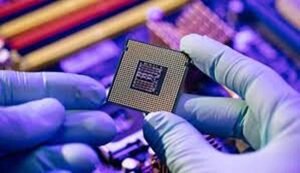
The “Silicon Moment”: First Made-in-India Chips Hit the Market
December 2025 will be remembered as the “Silicon Milestone” for India. Under the India Semiconductor Mission (ISM), the first commercially packaged semiconductor chips have officially rolled out from the Sanand facility in Gujarat. This isn’t just a win for the supply chain; it’s a massive leap toward reducing India’s reliance on imports for smartphones, electric vehicles, and defense equipment.
The launch of the DHRUV64, India’s first homegrown 1.0 GHz 64-bit microprocessor, has sent ripples through the global industry. Designed for high-performance computing and strategic applications, this chip proves that Indian engineers are ready to compete with global giants like Intel and ARM. For the Indian consumer, this means more affordable electronics and a future where “Heart of the Device” is truly Indian.
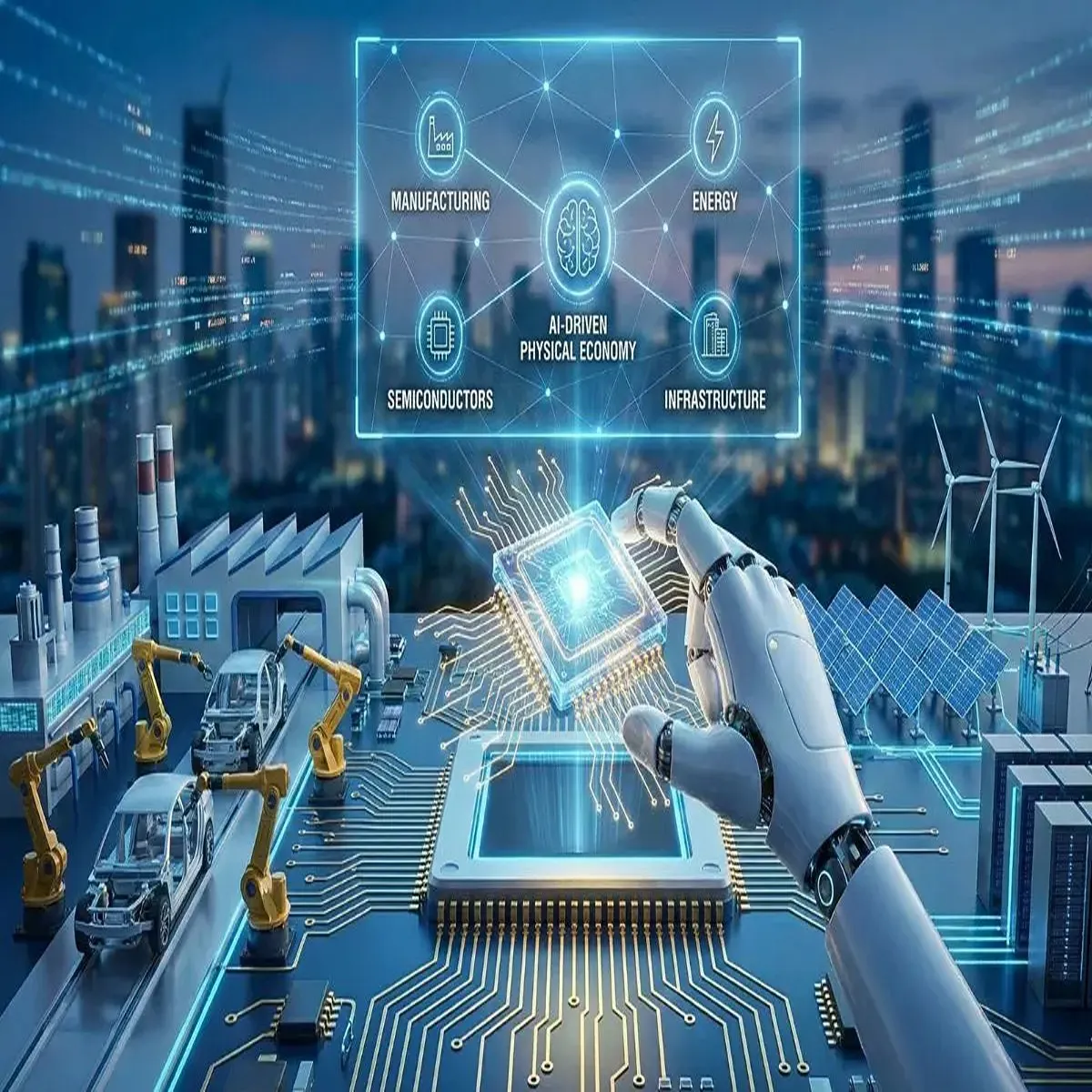

AI Everywhere: The Rise of “Agentic AI” in Indian Households
If 2024 was the year of talking to AI, 2025 is the year AI started doing things for us. The Indian market has seen a massive influx of AI PCs and Agentic AI smartphones. Leading brands like Samsung, Apple, and Xiaomi have integrated “on-device AI” that operates without the internet, ensuring data privacy for Indian users.
From Bengaluru’s tech corridors to rural farming hubs, AI is being used for real-time language translation in local dialects and predictive crop management. In the urban sector, “Home Robotics” has seen a 200% growth, with AI-powered vacuum cleaners and smart kitchen assistants becoming a common sight in middle-class Indian homes.
The 5G-Advanced Era and the 6G Roadmap
India’s 5G rollout is now among the fastest in the world, covering over 99% of districts. However, the news isn’t just about speed anymore; it’s about 5G-Advanced (5G-A). Indian telcos like Jio and Airtel have begun deploying 5G-A to support “RedCap” (Reduced Capacity) devices, making IoT sensors and wearable tech more energy-efficient and cheaper.
While the world is still stabilizing 5G, India has already moved its focus to the Bharat 6G Mission. With indigenous patents rising, the Department of Telecommunications (DoT) has confirmed that India is on track to lead the 6G standards globally by 2030. This ensures that the next generation of connectivity will be built on Indian IP (Intellectual Property).
Premiumization: India’s Shifting Smartphone Preferences
A fascinating trend in the Indian market this year is the decline of the “budget” segment in favor of “Premium” and “Ultra-Premium” devices. According to recent market data, one in three Indians now prefers a phone in the ₹20,000–₹30,000 range, while the flagship segment (above ₹50,000) has grown by over 300%.
The “Silicon Triad”—Bengaluru, Mumbai, and Delhi—remains the biggest consumer of high-end tech, but Tier-2 cities like Indore and Lucknow are catching up fast. Foldable phones have finally become mainstream, with durable designs and localized AI features attracting millions of Indian buyers who want a “laptop in their pocket.”
Green Tech and the EV Ecosystem
Technology in India is also getting greener. The year 2025 has seen a massive integration of AI in Electric Vehicle (EV) battery management systems. With the “Critical Mineral Mission” securing domestic sources of Lithium, Indian EV manufacturers are now exporting high-performance electric scooters and cars to over 100 countries. Smart charging stations, powered by AI to optimize grid load, are now a standard feature in major Indian metropolitan parking lots.
The Bottom Line: India as a Global Tech Sovereign
As we look toward 2026, the message is clear: India is the new “Office of the World” and its “Factory” combined. The convergence of semiconductor manufacturing, deep-tech startups, and a massive, AI-literate workforce has created a “perfect storm” for economic growth. For investors and consumers alike, the Indian tech market is no longer a “future potential”—it is a present-day reality that is reshaping the global digital order.